
Constructing and maintaining a swimming pool is a substantial investment that requires careful consideration and planning. This guide will walk you through essential aspects of pool construction and maintenance, focusing on key components like selecting the right pool builder and employing advanced technology for leak detection.
Choosing the Right Fiberglass Pools Builder
When it comes to installing a new pool, selecting a reputable fiberglass pools builder is crucial. Fiberglass pools are known for their durability, low maintenance, and quick installation times, making them a popular choice among homeowners.
Benefits of Fiberglass Pools
Fiberglass pools offer several advantages over traditional concrete or vinyl-lined pools. They are less prone to staining and algae growth due to their smooth surface, which means less time spent scrubbing and cleaning. Additionally, fiberglass pools typically come with a gel coat that protects against UV damage and chemical wear, enhancing the longevity of the pool.
Selecting a Builder
Choosing a qualified Fiberglass pools builder involves more than just comparing quotes. It’s essential to evaluate their experience, reputation, and the quality of their workmanship. Look for builders with a proven track record in fiberglass pool installation and ask for references from previous clients.
The builder should provide a detailed contract outlining the scope of work, materials used, and a timeline for completion. Make sure they are licensed and insured, and verify their standing with local regulatory bodies. A well-established builder will often offer warranties on their work, giving you added peace of mind.
Project Planning and Execution
Once you have selected a builder, work with them to plan the pool’s design, including size, shape, and features. Modern fiberglass pools come in various shapes and sizes, from classic rectangles to free-form designs that can blend seamlessly with your landscape.
During the construction phase, ensure that the builder adheres to all local building codes and regulations. The process typically involves site preparation, excavation, installation of the fiberglass shell, and connecting the pool to necessary plumbing and electrical systems.
Advanced Pool Maintenance: Electronic Pool Leak Detection
Maintaining a swimming pool involves regular cleaning, chemical balancing, and equipment upkeep. One critical aspect of pool maintenance is identifying and addressing leaks. Electronic pool leak detection has revolutionized the way leaks are detected and repaired, offering more precise and less invasive solutions compared to traditional methods.
How Electronic Pool Leak Detection Works
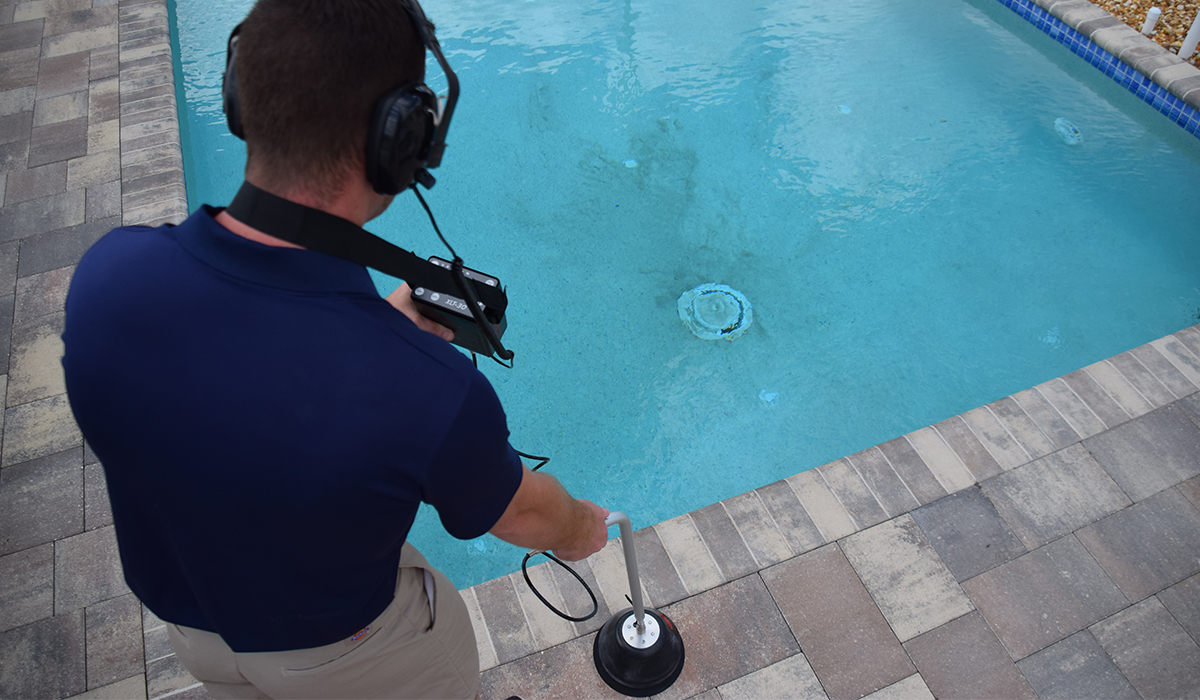
Electronic pool leak detection utilizes advanced technology to locate leaks in your pool system. This method involves the use of electronic sensors and acoustic equipment to detect changes in water pressure and sound waves, pinpointing the exact location of the leak.
Unlike traditional methods, which may require extensive digging and disruption, electronic detection is less intrusive. The process typically involves a detailed inspection of the pool’s plumbing, structural components, and surrounding areas. By accurately locating leaks, homeowners can address issues promptly and avoid costly water loss and damage.
Benefits of Electronic Leak Detection
The primary advantage of electronic pool leak detection is its accuracy. By pinpointing the exact location of a leak, you can minimize the need for unnecessary repairs and reduce the potential for further damage. This technology also allows for quicker identification of issues, leading to faster repairs and less downtime for your pool.
In addition to leak detection, electronic systems often provide valuable data on water usage and pool performance. This information can help in optimizing pool maintenance and identifying potential issues before they escalate.
Routine Maintenance and Inspections
Even with advanced technology, routine maintenance remains essential for ensuring the longevity of your pool. Regular inspections and maintenance should include checking the pool’s filtration system, cleaning the pool surface, and testing and balancing the water chemistry. Electronic leak detection can be part of a comprehensive maintenance plan, helping you keep your pool in optimal condition year-round.
Conclusion
Constructing and maintaining a swimming pool requires careful planning and the right expertise. By choosing a reputable fiberglass pools builder and incorporating advanced electronic leak detection technology, you can ensure that your pool is both a beautiful and enduring addition to your home.
Proper planning, regular maintenance, and timely repairs are key to enjoying your pool for many years. Whether you’re installing a new fiberglass pool or managing an existing one, understanding these essential components will help you make informed decisions and maintain a pristine swimming environment.


